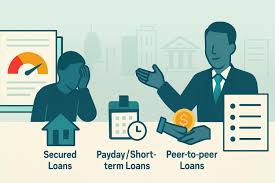

No credit check loans are often marketed as fast and convenient borrowing options for people with poor credit or no credit history. These loans do not require a traditional credit inquiry, making them appear simple and stress-free for anyone who might struggle to qualify for mainstream financing. However, the speed and accessibility come with important trade-offs. Understanding how these loans work, their costs, and safer alternatives will help you make informed borrowing decisions.
What Are No Credit Check Loans
A no credit check loan is a type of financing where lenders approve applications without reviewing your credit report or credit score. Instead of relying on past credit behavior, lenders focus on factors such as your income, employment stability, bank statements, or collateral. These loans are commonly offered by payday lenders, cash advance providers, some online lending platforms, and certain pawn or title loan businesses. While they provide near-instant approval, the loan amounts are usually small, and the repayment terms are short.
Why Borrowers Seek These Loans
People typically turn to no credit check loans when they have limited borrowing options. A low credit score, a history of missed payments, or no established credit can make it difficult to qualify for bank loans or low-interest financing. For someone facing an urgent cash need—such as medical expenses, car repairs, or overdue bills—these loans may seem like the only accessible solution.
The High Cost of Convenience
Although they offer quick approval, no credit check loans often come with significantly higher interest rates and fees. Lenders take on greater risk by not checking credit history, and they compensate for that risk by charging more. This can lead to annual percentage rates far higher than traditional loans. Short repayment deadlines can make it difficult for borrowers to keep up, sometimes leading to a cycle of reborrowing or refinancing that increases total costs. Before committing, it’s essential to calculate how much you will pay in fees, interest, and penalties if repayment is delayed.
Safer Alternatives to Consider
Even if your credit score is low, you may still have safer and more affordable borrowing options. Credit unions often offer small-dollar loans at reasonable rates and may not require high credit scores. Some online lenders provide installment loans with credit-friendly underwriting. Secured loans using collateral such as savings, a vehicle, or valuable assets can lower interest costs. Those with steady income may qualify for salary-advance programs through employers. For emergency situations, speaking with creditors to negotiate payment plans or extensions may reduce the need for high-cost loans altogether.
How to Use a No Credit Check Loan Responsibly
If you decide a no credit check loan is your only viable option, take steps to borrow cautiously. Borrow only the amount you truly need, not the maximum offered. Review the lender’s terms thoroughly, including interest rates, fees, rollover conditions, and repayment deadlines. Ensure your income can realistically support repayment without causing further financial strain. Avoid lenders who are unclear about pricing or who pressure you to borrow more. Maintaining a budget and planning repayment ahead of time can prevent unnecessary penalties or repeated borrowing.
Building Credit for Better Options
One long-term strategy for avoiding high-cost loans is improving your credit profile. Paying bills on time, reducing debt balances, and maintaining a stable income can gradually raise your credit score. Some financial institutions offer credit-builder loans or secured credit cards designed to help borrowers establish or rebuild credit. Strengthening your credit over time opens the door to traditional loans with lower interest rates and better terms.